
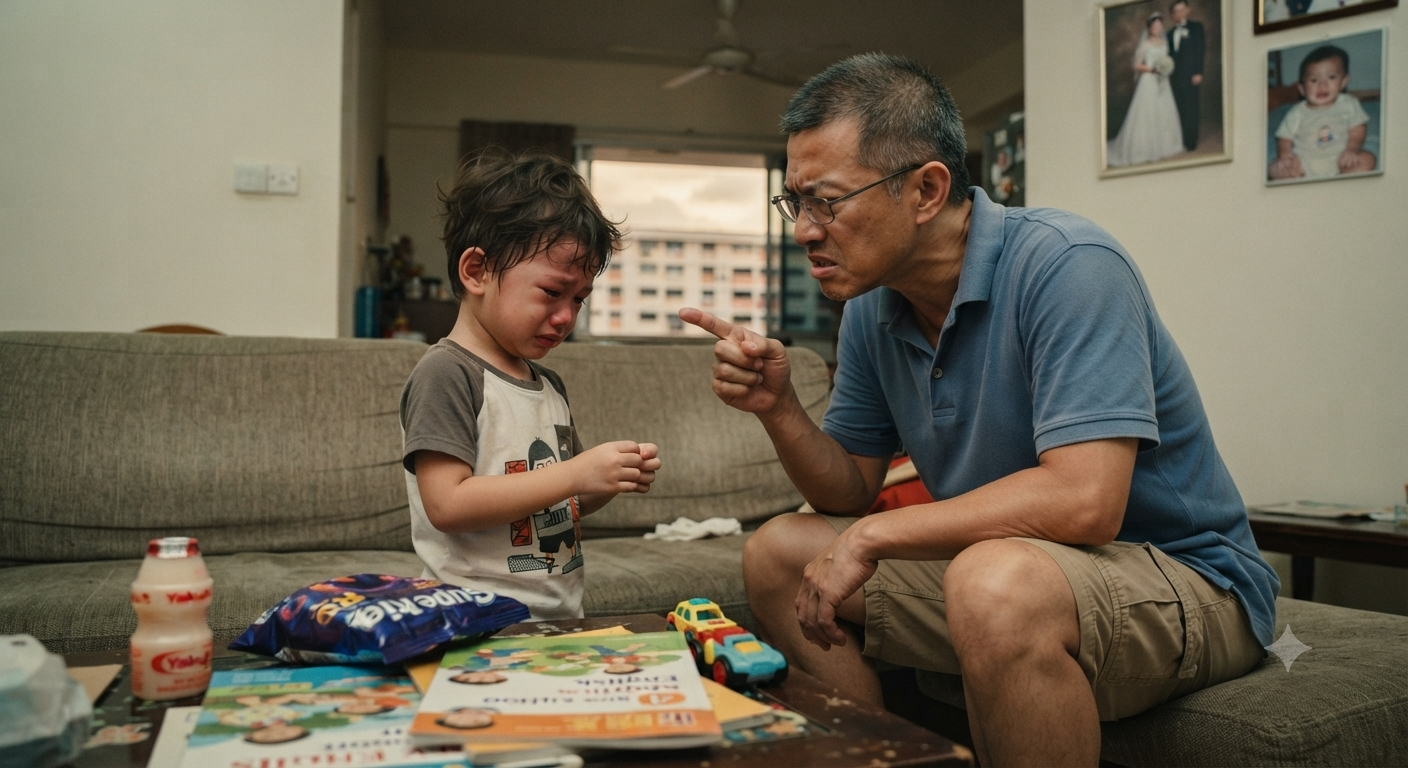
When Silos Fail: The Cost of Disconnected Agencies
When it comes to safeguarding vulnerable children, the past reality of government agencies operating like isolated silos is finally getting a much-needed digital upgrade.
For the longest time, public services functioned like a pair of blur sotong kopitiam uncles who refused to share their secrets—the police held their investigative notes, social workers carried their own stacks of case files, and nobody crossed departmental lines to connect the dots while kids potentially suffered in silence.
The Turning Point: Remembering Megan Khung
The tragic turning point for many in Singapore was the horrific 2020 case of 4-year-old Megan Khung. Megan suffered months of severe physical abuse, deprivation, and isolation at the hands of her mother, Foo Li Ping, and her mother’s boyfriend, Brian Wong Shi Xiang.
The pattern of systemic torment she endured was harrowing:
- Brutal Physical Violence: The abuse began when Megan was three years old, initially starting with caning for wetting the bed or sofa. After she moved in full-time, the violence escalated significantly as Wong routinely whipped her with a cane, slapped her, punched her, and beat her with a baton. The abuse was so severe on one occasion that it dislocated and left her jaw crooked, and Wong even trained Foo on how to inflict pain without leaving visible traces.
-
Degrading Punishments & Deprivation: The couple subjected Megan to humiliating acts, including forcing her to wear her own soiled diaper over her head, shaving her hair, and drawing on her face. From January 2020 onward, she was completely deprived of clothing, forced to live and walk naked, starved, and frequently forced to sleep outside the master bedroom in a narrow 3-meter by 1-meter planter box where she suffered heatstroke.
-
The Fatal Cover-Up: Despite early warning signs spotted by preschool teachers and community workers in 2019, the perpetrators pulled Megan out of school, making it nearly impossible for authorities to track her well-being. On 21 February 2020, Wong punched Megan directly in the stomach, resulting in fatal internal trauma. Instead of seeking medical help, the adults ignored her as she succumbed to her injuries, later incinerating her remains in a metal barrel and scattering them at East Coast Park.
The legal verdicts handed down in 2025—sending Wong to jail for 30 years with 17 strokes of the cane and Foo to 19 years—laid bare the fatal gaps and communication breakdowns between agencies that allowed a vulnerable child to slip through the cracks.
A New Era: Enter the SAFER Unit
Fortunately, learning hard lessons from such devastating oversight, the Ministry of Social and Family Development (MSF) has stepped up with a powerful, high-tech initiative: the SAFER (Sensemaking Alerts for Frontline Engagement and Response) unit.
Far from just another bureaucratic acronym, this system acts as a sophisticated, cross-agency digital net designed to catch risks before they escalate into tragedies.
How the SAFER Unit Works to Protect Kids
Instead of waiting for a crisis to fully manifest before rushing in, the SAFER unit leverages smart data integration across multiple touchpoints.
Here is how its key measures are changing the landscape of child protection:
- Cross-Agency Intelligence Sharing: The system automatically pools red flags and data across various government bodies, including the police, law enforcement, and healthcare networks. If a household adult gets arrested for drugs, crime, or other high-risk behaviors, child protection officers receive immediate alerts instead of waiting months for manual cross-references.
-
Tracking “Ghost Children” via Preschool Attendance: The unit keeps a strict digital watch on school attendance patterns. Abusive or neglectful adults frequently pull children out of preschool to conceal injuries, malnourishment, or danger at home—just as happened in past tragedies. The moment a child goes missing from school radars without a valid explanation, automated alarms ring across government terminals.
-
Early-Bird Intervention: By shifting from reactive firefighting to proactive tracking, the system flagged 70 high-risk cases within just its first two months of operation. This empowers social workers to step in and inspect household environments well before situations deteriorate to a life-or-threatening stage.
The Bottom Line
Ultimately, the SAFER unit functions as a high-tech neighborhood watch for Singapore’s most vulnerable youngsters.
By bridging the communication gaps between public agencies and utilizing automated tracking, the government has ensured that adults trying to slip through the cracks have nowhere left to hide.
It’s a sharp, modern leap forward in making sure things never reach a jialat endpoint.


Leave a comment